
Research
Third-Party Lab Tests for Peptides: Why Independent Verification Matters
A third-party lab test examines research peptides by an independent body from the manufacturer and seller, thus eliminating the conflict of interest of mere self-disclosure. The standard includes t...
Read more
GHK-Cu (Copper Tripeptide): Research Overview, Study Status, and Quality Criteria
Neutral, research-only research overview of GHK-Cu, the copper(II) complex of the tripeptide Glycyl-L-Histidyl-L-Lysine (copper peptide). The article explains the structure and sequence, the first ...
Read more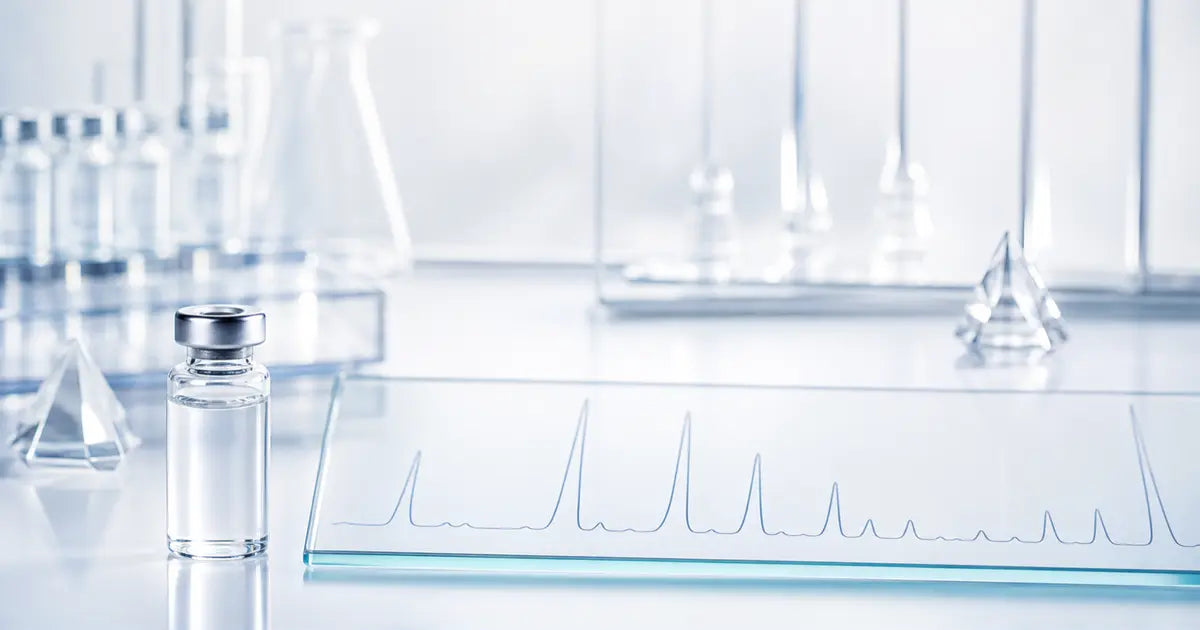
Peptide purity and HPLC explained simply
The peptide purity by HPLC indicates what percentage of a sample consists of the target peptide and what percentage consists of impurities. It is measured as area percent in the chromatogram; ≥98% ...
Read more
TB-500 and Thymosin Beta-4: Research Overview, Study Status, and Quality Criteria
Neutral Research Overview of TB-500 and Thymosin Beta-4: What the peptide is, how the full-length protein and fragment differ in identity and mass, which preclinical research fields (actin sequestr...
Read more
Recognizing Reputable Peptide Suppliers: 7 Red Flags and What to Look For
You can identify reputable peptide suppliers by evidence, not claims: batch-specific COA, independent cross-validation, HPLC plus mass spectrometry, documented endotoxin data, transparent EU origin...
Read more